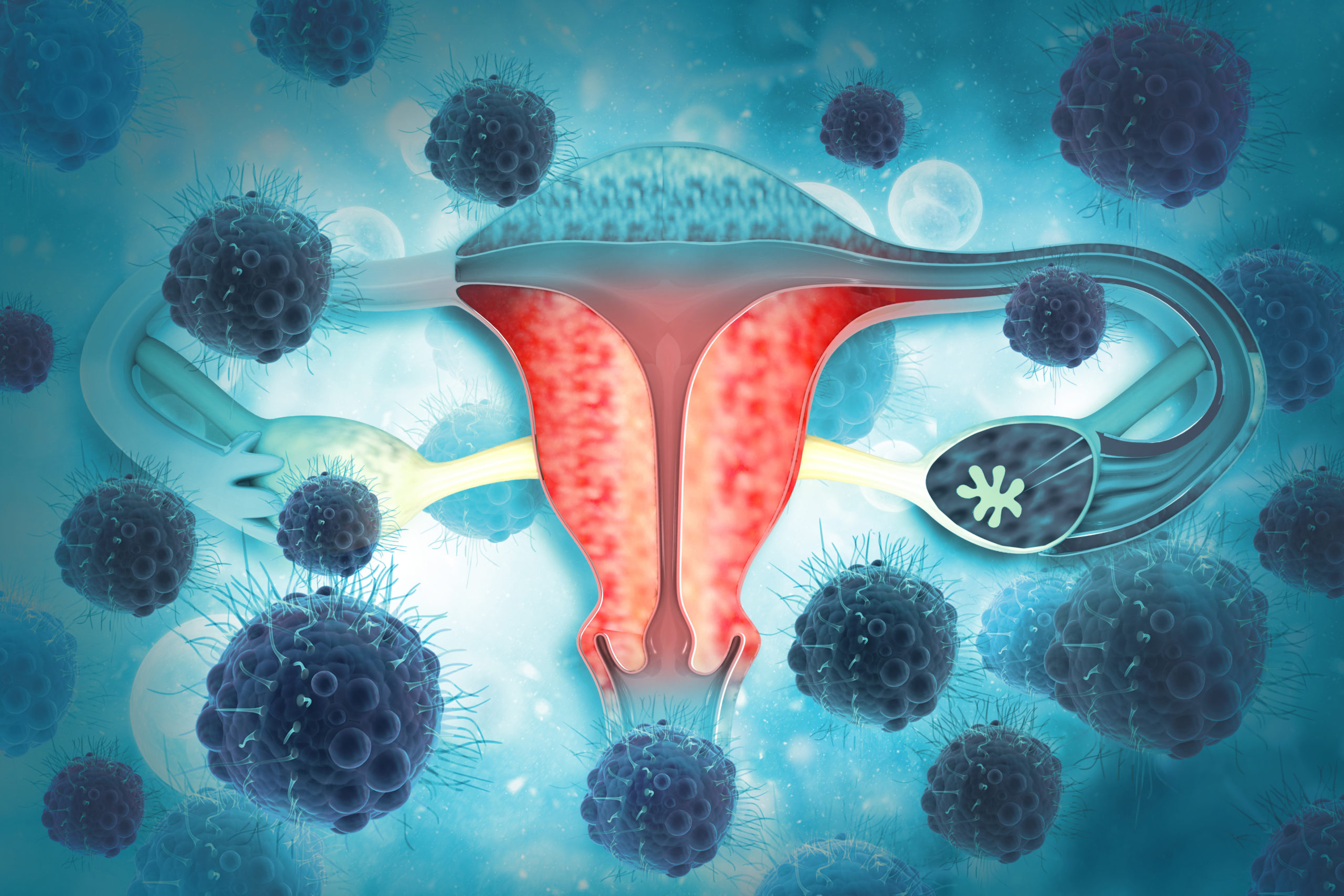
Chlamydia is a very common sexually transmitted disease caused by a bacterium called Chlamydia trachomatis. Very often the infected person has no symptoms and the infection goes unnoticed. The problem is that it spreads to other people even if it does not produce symptoms.
Chlamydia affects people of all ages, but it is more common in young women.
Although it is very common that it does not cause any type of symptoms, when they appear, they can be varied in the genital area: itching when urinating, pain in the lower abdomen or pelvis, inflammation of the testicle in men, and vaginal discharge. abnormal or painful intercourse in women. It can also affect the rectum, mouth, throat or eyes (in the form of conjunctivitis).
If chlamydial infection is not diagnosed and treated, it can cause complications and sequelae such as inflammatory disease in women, and long-term infertility or ectopic pregnancies; the possible sequels that can appear in men are infertility and chronic prostatitis.
There are effective antibiotic treatments for chlamydia, which are for the affected patient and their sexual partners. It can be diagnosed relatively easily with a few questions about the person’s sexual health and symptoms, followed by an analysis of the urethral or cervical discharge. In addition, blood tests would be requested to check that there is no presence of other sexually transmitted diseases.
Curing chlamydia is often easy, just by taking a dose of medicine, however there are other chlamydia treatments that last 7 days.
The only way to know for sure if you have chlamydia is to get tested, regardless of whether or not you have symptoms.
There are three types of human pathogenic chlamydiae: Chlamydia trachomatis, C. psittaci and C. pneumoniae.
If a woman is pregnant and has chlamydia infection, she can transmit the disease to her baby during childbirth, which could cause an eye infection or pneumonia in the baby.
To avoid contagion between couples of this disease, they must protect themselves in the following way:
- Be in a long-term mutually monogamous relationship with a partner and have tested negative for STDs;
- Use latex condoms and dental dams to have sex.