By Egidio Simonelli, CEO of Ecosistema Pharmamedic-iCashWeb
Over the past ten years, the term gut microbiota has entered forcefully into the language of medicine, nutrition, and even everyday conversation. This is not just a passing trend: an increasing number of scientific studies confirm that the gut is not merely a digestive organ but a regulatory center that influences the entire body.
At the heart of this world, we find probiotics—live microorganisms which, when taken in adequate amounts, significantly contribute to health. But how do they work? Why are they so important? And how can we make the best use of them through diet or supplementation?
In this article, we answer these questions with a scientific yet accessible approach, offering a complete and easy-to-understand overview.
What Is the Gut Microbiota?
The gut microbiota consists of billions of microorganisms—mainly bacteria, but also viruses, fungi, and archaea—that inhabit our digestive tract. It is estimated that a human gut contains over 100 trillion microbial cells, with a gene count 100 times greater than that of our own DNA (Source: Nature Reviews Gastroenterology).
They are not just passive guests: they live in symbiosis with us and perform essential functions. The microbiota is involved in:
-
Digestion and absorption of nutrients
-
Production of vitamins (K, B12, folic acid)
-
Regulation of metabolism
-
Strengthening of the immune system
-
Communication with the brain through the gut-brain axis
Eubiosis and Dysbiosis
The key concept is balance:
-
Eubiosis → when the microbiota is in harmony, beneficial strains dominate and support health.
-
Dysbiosis → an imbalance caused by poor diet, stress, antibiotics, or illness; this can lead to digestive disorders, inflammation, and chronic disease.
What Are Probiotics?
According to the World Health Organization, probiotics are “live microorganisms which, when administered in adequate amounts, confer a health benefit on the host.”
The most well-known species include:
-
Lactobacillus
-
Bifidobacterium
-
Saccharomyces boulardii (a beneficial yeast)
Probiotics, Prebiotics, and Synbiotics
-
Probiotics = live microorganisms with positive effects.
-
Prebiotics = fibers (inulin, FOS) that selectively feed probiotics.
-
Synbiotics = a combination of probiotics and prebiotics for a synergistic effect.

The Health Benefits of Probiotics for the Gut
1. Improve Digestion
Probiotics help break down complex carbohydrates and promote nutrient absorption. They are useful for bloating, gas, and constipation.
2. Strengthen Immune Defenses
About 70% of immune cells reside in the gut. A balanced microbiota modulates immune responses and reduces the risk of respiratory and intestinal infections.
3. Prevent Antibiotic-Associated Diarrhea
Antibiotics kill both harmful and beneficial bacteria. Probiotic supplementation reduces the incidence of post-treatment diarrhea (Source: PubMed).
4. Support in Irritable Bowel Syndrome (IBS)
Various strains have shown effectiveness in reducing abdominal pain, bloating, and irregular bowel habits typical of IBS.
5. Inflammatory Bowel Diseases
In conditions like ulcerative colitis and Crohn’s disease, probiotics can modulate inflammation and improve quality of life, though they are not a definitive cure.
Benefits Beyond the Gut
The microbiota doesn’t act only locally—it has systemic effects on many areas of health.
Metabolic Health
Some strains help regulate the metabolism of fats and sugars, reducing the risk of obesity, diabetes, and metabolic syndrome.
Gut-Brain Axis
The gut communicates with the brain via the vagus nerve, immune system, and production of neurotransmitters. Specific probiotics may reduce anxiety, stress, and depressive symptoms (Source: Frontiers in Psychiatry).
Skin and Dermatology
A balanced gut reduces skin inflammation, acne, and atopic dermatitis. More and more dermatologists refer to the “gut-skin axis.”
Cardiovascular Health
Some studies link the microbiota to cholesterol levels and blood pressure: probiotics and prebiotics may have a preventive effect.
Probiotics in Diet
Probiotics are not only found in supplements—there are foods naturally rich in these microorganisms.
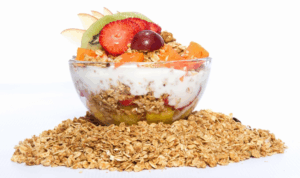
Fermented Foods Rich in Probiotics
-
Yogurt and kefir
-
Sauerkraut, kimchi, and fermented vegetables
-
Miso and tempeh
-
Certain aged cheeses
Natural Prebiotics
To nourish probiotics, we need fermentable fibers such as:
-
Inulin (from chicory, Jerusalem artichokes)
-
Garlic and onion
-
Unripe bananas
-
Asparagus
Cooking and Storage
Probiotics are heat-sensitive: fermented foods are best consumed raw or lightly cooked.
A Real Testimonial: Anna’s Story
Anna, 42, reports having suffered for years from bloating and persistent fatigue. After consulting a nutritionist, she started a dietary program that included fermented foods and a specific probiotic supplement.
After about four weeks, Anna noticed improvements in bowel regularity, reduced abdominal bloating, and more energy throughout the day. Over time, she also experienced more restful sleep.
This experience shows how rebalancing the microbiota can positively influence many aspects of daily life.
How to Choose a Quality Probiotic Supplement
-
Specific strains → each strain offers documented benefits, e.g., Lactobacillus rhamnosus GG for antibiotic-associated diarrhea.
-
Quantity (CFUs) → effective doses range from 1–10 billion CFUs per strain.
-
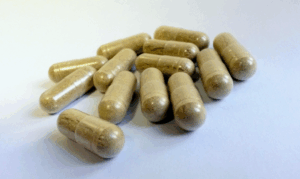
Pharmaceutical form → gastro-resistant or microencapsulated capsules to survive stomach acid.
-
Scientific support → choose products with published clinical studies.
-
Combined with prebiotics → for a synergistic effect (synbiotics).
Safety and Side Effects
Probiotics are generally safe for most people. Mild side effects may include bloating or gas during the initial phase.
In immunocompromised individuals or those with serious illnesses, it’s essential to consult a doctor before use.
The Future of Scientific Research
Research on the microbiota is constantly evolving. Current trends include:
-
Personalized probiotics based on genetic and microbial profiles
-
Fecal microbiota transplantation as an experimental therapy
-
New “next-generation” strains for autoimmune and neurodegenerative diseases
The future of medicine will increasingly depend on understanding and modulating the microbiota.
Conclusions
The gut microbiota is an invisible but vital organ for our well-being. Probiotics—through food and supplements—are an effective tool to keep it in balance.
From improving digestion to boosting immune defenses, from metabolic health to emotional well-being, the benefits of probiotics are increasingly well documented.
Taking care of your gut means taking care of your entire body.
Sources Used for This Article
-
Nature Reviews Gastroenterology & Hepatology – The gut microbiota in health and disease
https://www.nature.com/articles/s41575-020-0296-2 -
World Health Organization (WHO) – Guidelines for the evaluation of probiotics in food
https://www.who.int/foodsafety/fs_management/en/probiotic_guidelines.pdf -
Cleveland Clinic – Probiotics: What They Are, Benefits & Side Effects
https://my.clevelandclinic.org/health/articles/14598-probiotics -
Harvard T.H. Chan School of Public Health – The Nutrition Source: Probiotics
https://www.hsph.harvard.edu/nutritionsource/probiotics/ -
National Institutes of Health (NIH), NCCIH – Probiotics: What You Need To Know
https://www.nccih.nih.gov/health/probiotics-what-you-need-to-know